
Hardwired vs. Battery Smoke Alarms: Which Is Better for Your Home? (2026 Complete Guide)
Many homeowners ask us:
Should I install hardwired smoke alarms?
Are battery-powered smoke alarms reliable?
Are 10-year sealed battery alarms enough?
Which type meets today's recommendations?
Is upgrading worth the investment?
The answer depends on several factors, including your home's age, electrical wiring, layout, local building requirements, and long-term maintenance goals.
At Smoke Detector Pro, we've helped thousands of homeowners throughout St. Charles County, St. Louis County, and surrounding Missouri communities evaluate, replace, and upgrade their smoke alarm systems. As a firefighter-owned and operated company, our goal is to help homeowners understand their options so they can make informed decisions that improve home fire safety.
In this guide, we'll compare hardwired and battery-powered smoke alarms, explain their advantages and limitations, discuss where each type works best, and help you determine which system is the right fit for your home.
Why Smoke Alarms Matter
Smoke alarms are one of the simplest and most effective life safety devices found in a home. Their purpose is straightforward: detect smoke early and provide an audible warning that gives occupants valuable time to escape during a fire.
According to the U.S. Fire Administration, properly installed and maintained smoke alarms significantly improve the chances of surviving a home fire by providing earlier warning. Modern smoke alarms are designed to detect smoke before conditions become life-threatening, giving families precious extra minutes to evacuate safely.
Helpful Resources:
U.S. Fire Administration – Smoke Alarms
https://www.usfa.fema.gov/prevention/home-fires/prepare-for-fire/smoke-alarms/Missouri Division of Fire Safety – Smoke & Carbon Monoxide Alarms
https://dfs.dps.mo.gov/safetytips/smoke-carbon-monoxide-alarms.php
Understanding the Two Types of Smoke Alarms
Most residential smoke alarms fall into one of two primary categories:
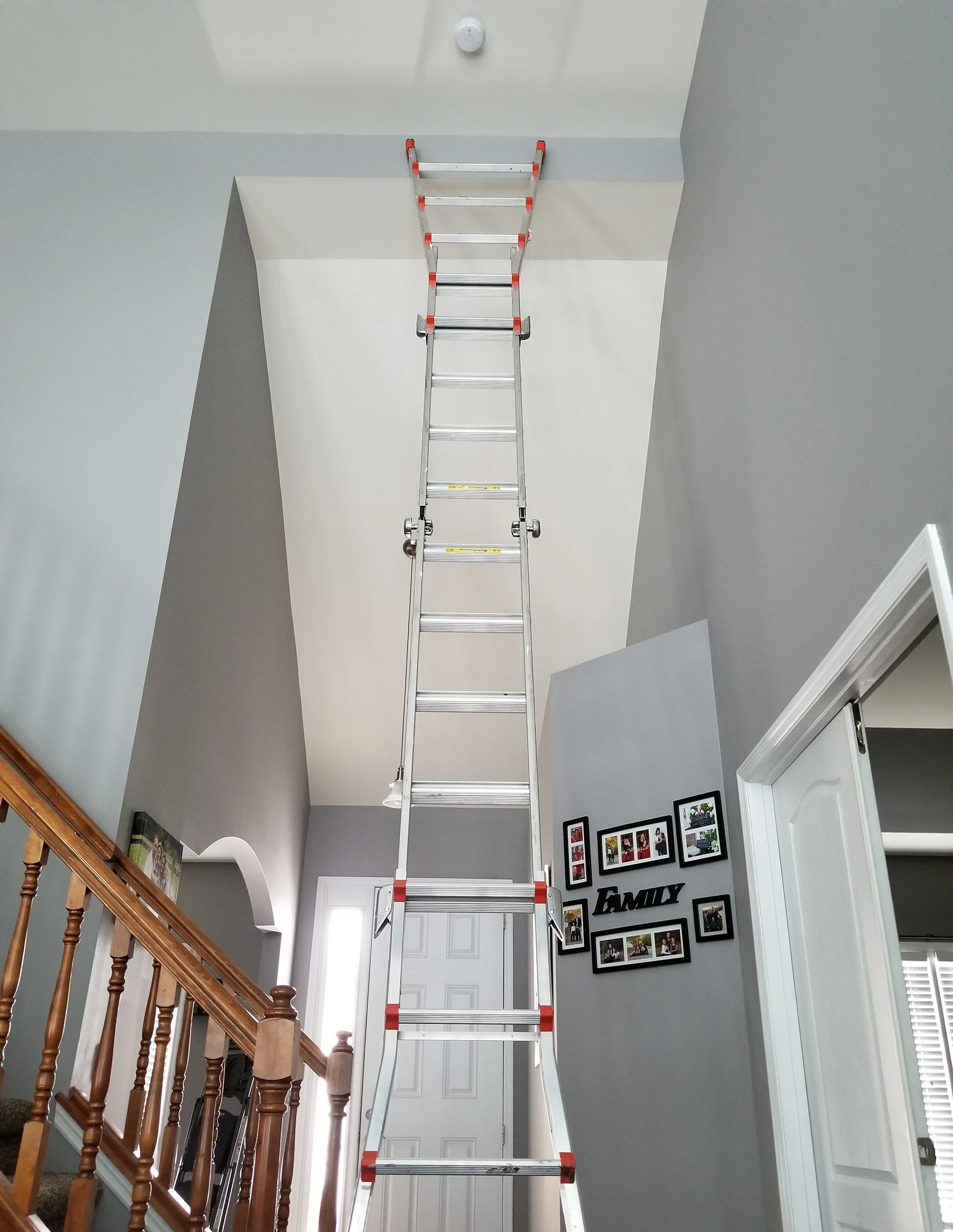
Hardwired smoke alarm
Hardwired Smoke Alarms
Hardwired smoke alarms are permanently connected to your home's electrical system. Most also include a backup battery that allows the alarm to continue operating during a power outage.
Many hardwired systems are interconnected, meaning if one alarm detects smoke, every smoke alarm in the home sounds simultaneously.
Hardwired systems are commonly found in:
Newly constructed homes
Recently remodeled homes
Homes built under newer residential building codes
Homes that have undergone electrical upgrades
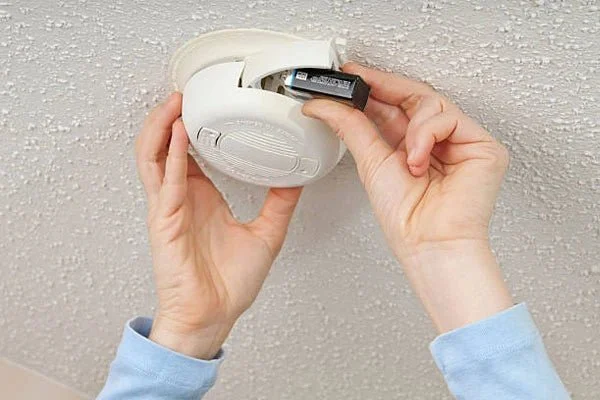
Battery operated smoke alarm
Battery Smoke Alarms
Battery-powered smoke alarms operate independently using batteries rather than household electrical wiring.
Today's battery-powered alarms typically use one of two designs:
Replaceable batteries
10-year sealed lithium batteries
Battery-powered smoke alarms are commonly installed in:
Older homes
Existing homes without interconnected wiring
Rental properties (where permitted)
Detached garages
Workshops
Cabins
Vacation homes
Modern sealed battery alarms have become increasingly popular because they eliminate annual battery replacement while still providing dependable protection throughout their service life.

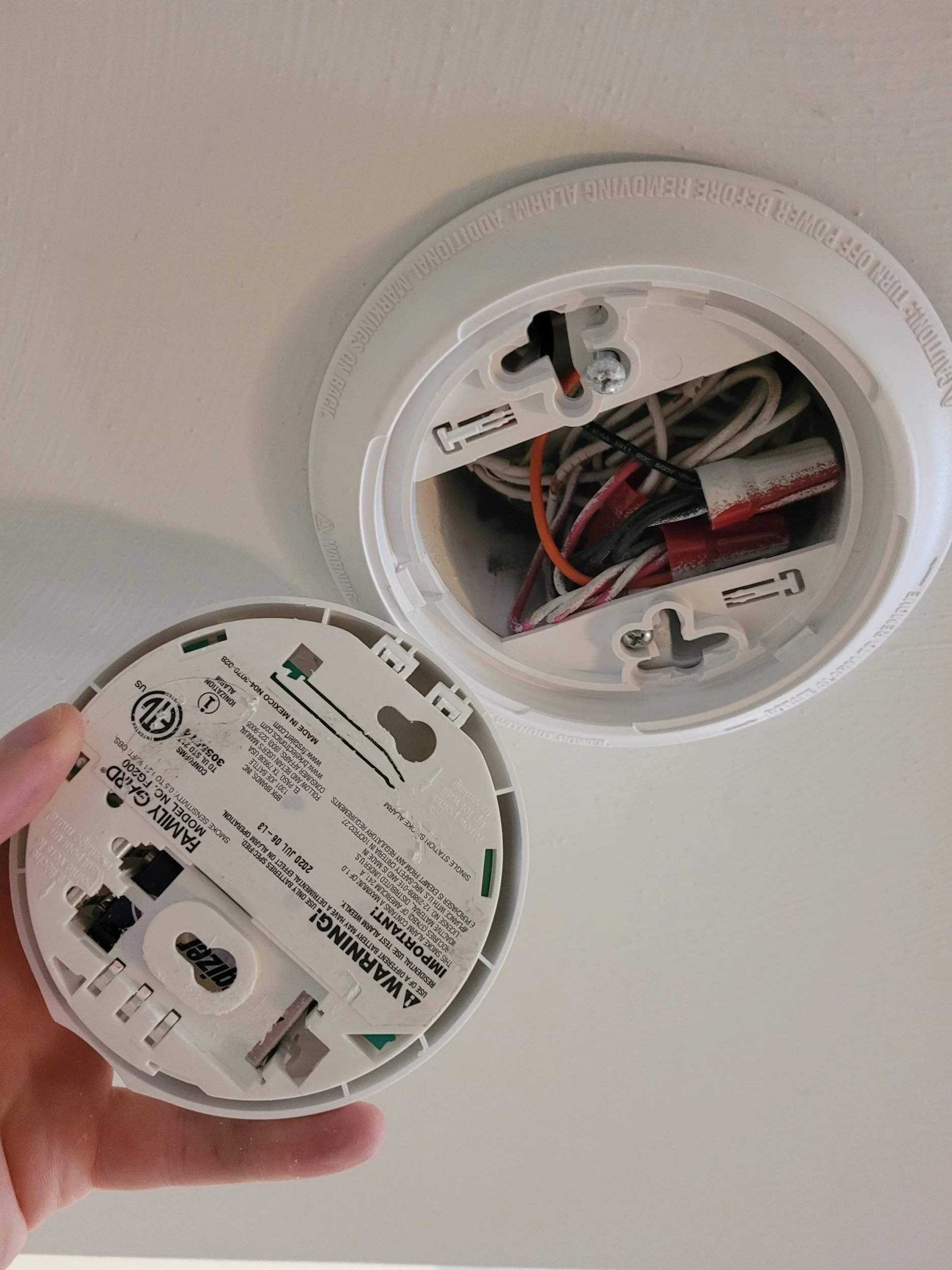
Smoke Detectors showing very old to old to new smoke alarms.
Advantages of Hardwired Smoke Alarms
Many fire safety professionals recommend hardwired smoke alarms because they provide continuous power and are often interconnected throughout the home.
Reliable Power Source
Because hardwired smoke alarms receive electricity from your home's electrical system, homeowners don't have to worry about someone forgetting to install batteries after removing them.
Backup batteries continue protecting the home during electrical outages.
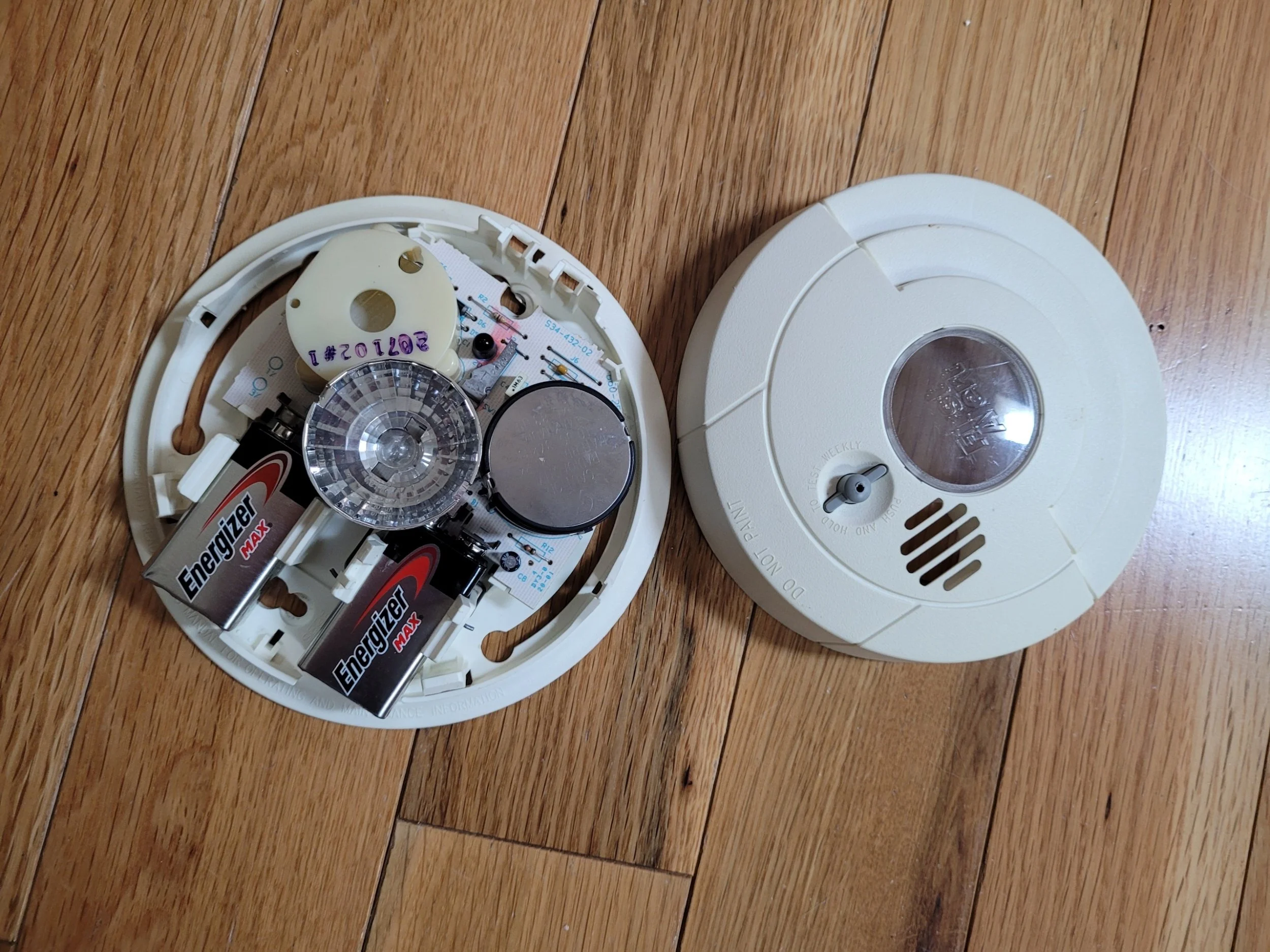
Pictured here is a very old alarm that tested when the button was pushed, but failed to work when smoke was present.
Interconnected Protection
One of the biggest advantages of hardwired systems is interconnected operation.
If smoke is detected in the basement, every alarm throughout the home activates simultaneously—including those on upper floors and inside bedrooms.
This early warning can be especially valuable in:
Larger homes
Two-story homes
Finished basements
Homes with attached garages
Homes where family members sleep with bedroom doors closed
The U.S. Fire Administration recommends interconnected smoke alarms because they provide earlier notification throughout the home.
Consistent Whole-Home Coverage
Professionally installed hardwired systems help ensure smoke alarms are located according to current recommendations, creating more consistent coverage throughout the home.
Long-Term Value
Although hardwired smoke alarms typically cost more to install initially, they often provide long-term value by offering dependable operation, interconnected protection, and compatibility with future upgrades.
Potential Drawbacks of Hardwired Smoke Alarms
While hardwired systems offer many benefits, they may not be the ideal choice for every homeowner.
Higher Installation Cost
Installing hardwired smoke alarms in an existing home may require:
New electrical wiring
Ceiling access
Drywall repairs
Licensed electrical work in some situations
These additional labor costs make hardwired systems more expensive than replacing existing battery-powered alarms.
Remodeling May Be Required
Homes without existing smoke alarm wiring may require attic access or finished ceiling repairs during installation.
For many homeowners, wireless interconnected smoke alarms provide an excellent alternative without opening walls.
They Still Require Replacement
A common misconception is that hardwired smoke alarms last forever.
While they receive constant electrical power, the smoke sensing chamber still ages over time.
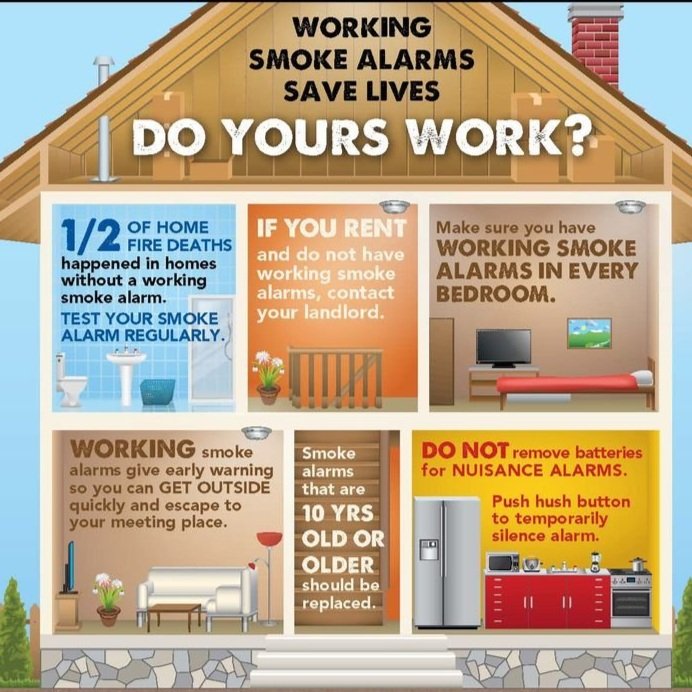
Manufacturers generally recommend replacing hardwired smoke alarms every 10 years from the manufacture date.
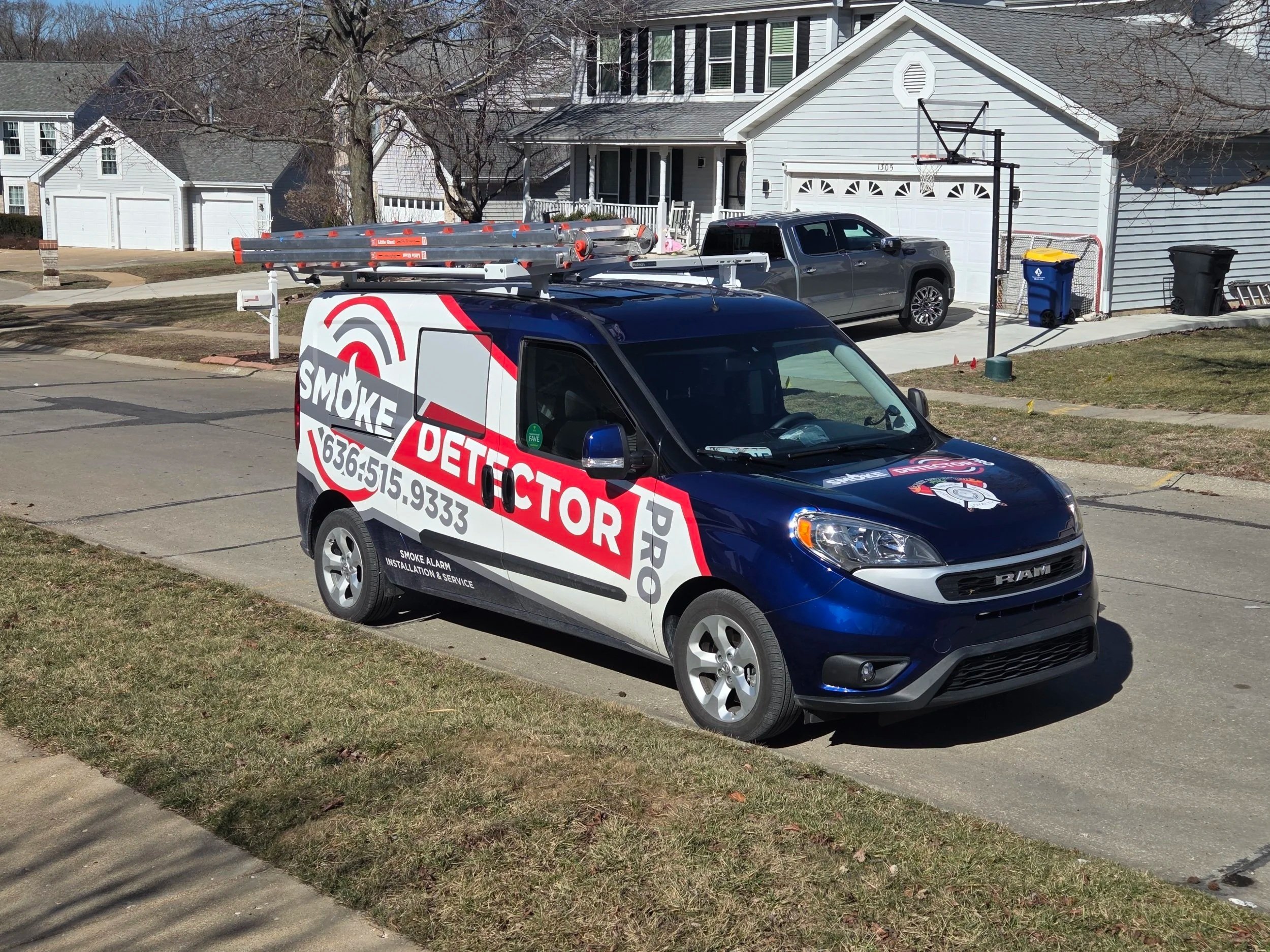
Smoke Detector Pro servicing a home is Fenton, MO
Advantages of Battery Smoke Alarms
Battery-powered smoke alarms continue to protect millions of homes across the United States and remain an excellent solution in many situations.
Easy Installation
Battery-powered smoke alarms can often be installed in minutes using basic hand tools.
This makes them ideal for:
Existing homes
Rental properties (where allowed)
Detached structures
Seasonal homes
Garages
Workshops
Lower Upfront Cost
Battery-powered alarms usually cost less than hardwired systems, making them an affordable option for homeowners replacing one or two alarms.
For whole-home upgrades, 10-year sealed battery models can also reduce future maintenance because they eliminate routine battery changes.
Modern Technology
Today's battery-powered smoke alarms are far more advanced than older models.
Many now include:
10-year sealed lithium batteries
Voice alerts
Wireless interconnection
Combination smoke and carbon monoxide detection
Smart home integration
Mobile notifications (on select models)
Smoke Detector Pro services
Potential Drawbacks of Battery Smoke Alarms
Although battery-powered smoke alarms have improved significantly over the past decade, there are still some limitations homeowners should understand before choosing this option.
Battery Maintenance
Traditional battery-operated smoke alarms require periodic battery replacement. Unfortunately, many homeowners forget to replace batteries until the alarm begins chirping—or worse, remove the battery altogether after nuisance alarms.
A smoke alarm without a working battery cannot provide protection during a fire.
Fortunately, many newer smoke alarms now feature 10-year sealed lithium batteries, eliminating the need for annual battery changes while providing continuous power throughout the alarm's service life.
Helpful Resources
U.S. Fire Administration – Smoke Alarm Maintenance
https://www.usfa.fema.gov/prevention/home-fires/prepare-for-fire/smoke-alarms/
Individual Alarm Operation
Basic battery-powered smoke alarms operate independently.
If a fire begins in the basement, only the alarm closest to the fire may sound. Family members sleeping on the second floor may not hear that alarm immediately.
For this reason, many fire safety organizations recommend interconnected smoke alarms whenever practical.
Wireless interconnected battery-powered alarms now offer homeowners an excellent solution without requiring new electrical wiring.
Easier to Forget
Because battery-operated smoke alarms don't rely on household electricity, homeowners sometimes forget to:
Test the alarms monthly
Clean dust from the sensing chamber
Replace aging alarms
Install new batteries (when applicable)
Regardless of the power source, every smoke alarm should be replaced approximately every 10 years according to manufacturer recommendations.
What About 10-Year Sealed Battery Smoke Alarms?
One of the biggest improvements in residential fire safety has been the development of sealed battery smoke alarms.
These alarms use a sealed lithium battery designed to last the expected life of the smoke alarm.
Advantages include:
No annual battery replacement
Fewer nuisance battery removals
Reduced maintenance
Consistent protection
End-of-life notification
Excellent option for existing homes
Many homeowners upgrading older battery-operated alarms choose sealed battery models because they offer dependable protection with very little maintenance.
Wireless Interconnected Smoke Alarms
Wireless smoke alarms combine many of the benefits of hardwired interconnected systems without requiring electrical wiring between alarms.
Instead, each alarm communicates wirelessly.
When one alarm detects smoke:
Every connected smoke alarm sounds.
Occupants throughout the home receive an early warning.
Installation is typically much faster than adding hardwired interconnection.
Wireless interconnected systems are particularly popular in:
Existing homes
Two-story homes
Finished basements
Older homes
Homes undergoing smoke alarm upgrades
For many homeowners, wireless interconnection provides an excellent balance between safety, convenience, and installation cost.

Wireless interconnected smoke alarm system in a two-story home
Smart Smoke Alarms
Smart smoke alarms represent another advancement in residential fire protection.
Depending on the model, they may include:
Smartphone notifications
Voice alerts
Self-testing features
Carbon monoxide detection
Mobile monitoring
Integration with smart home systems
These systems can notify homeowners even when they're away from home, offering an additional layer of awareness.
Like all smoke alarms, smart models should still be tested regularly and replaced according to the manufacturer's recommended service life.
Which Smoke Alarm Is Best for Different Types of Homes?
Every home is different. Here are some general recommendations.
New Construction Homes
Hardwired interconnected smoke alarms are typically the preferred option because they provide continuous power and are commonly required under modern residential building codes.
Existing Homes
If your home does not already have interconnected wiring, wireless interconnected smoke alarms or 10-year sealed battery alarms can provide excellent protection without major remodeling.
Older Homes
Homes built before modern smoke alarm requirements may benefit from a complete evaluation to determine whether additional alarms or upgraded technology would improve coverage.
Large Homes
Homes with multiple floors, finished basements, or long hallways benefit greatly from interconnected smoke alarms because every alarm activates together.
Vacation Homes
Battery-powered or sealed battery smoke alarms are often practical choices for seasonal homes, cabins, and detached buildings where extensive electrical upgrades may not be practical.

Missouri Smoke Alarm Recommendations
The Missouri Division of Fire Safety encourages homeowners to install smoke alarms:
Inside every bedroom
Outside each sleeping area
On every level of the home, including basements
The agency also recommends:
Testing smoke alarms monthly
Replacing smoke alarms approximately every 10 years
Following the manufacturer's maintenance instructions
Practicing a family fire escape plan at least twice each year
For homeowners replacing multiple alarms, upgrading to interconnected smoke alarms can significantly improve whole-home notification.
Helpful Resources:
Missouri Division of Fire Safety
https://dfs.dps.mo.gov/safetytips/smoke-carbon-monoxide-alarms.php
Professional Installation vs. DIY
Many homeowners can successfully install basic battery-powered smoke alarms.
However, professional installation is often recommended when:
Replacing hardwired smoke alarms
Upgrading multiple alarms
Installing interconnected systems
Adding carbon monoxide alarms
Bringing an older home closer to current safety recommendations
You're unsure about proper placement
A professional installation typically includes:
Proper alarm placement
Functional testing
Verification of interconnected operation
Inspection of existing alarms
Recommendations for improved coverage
Removal and disposal of outdated alarms
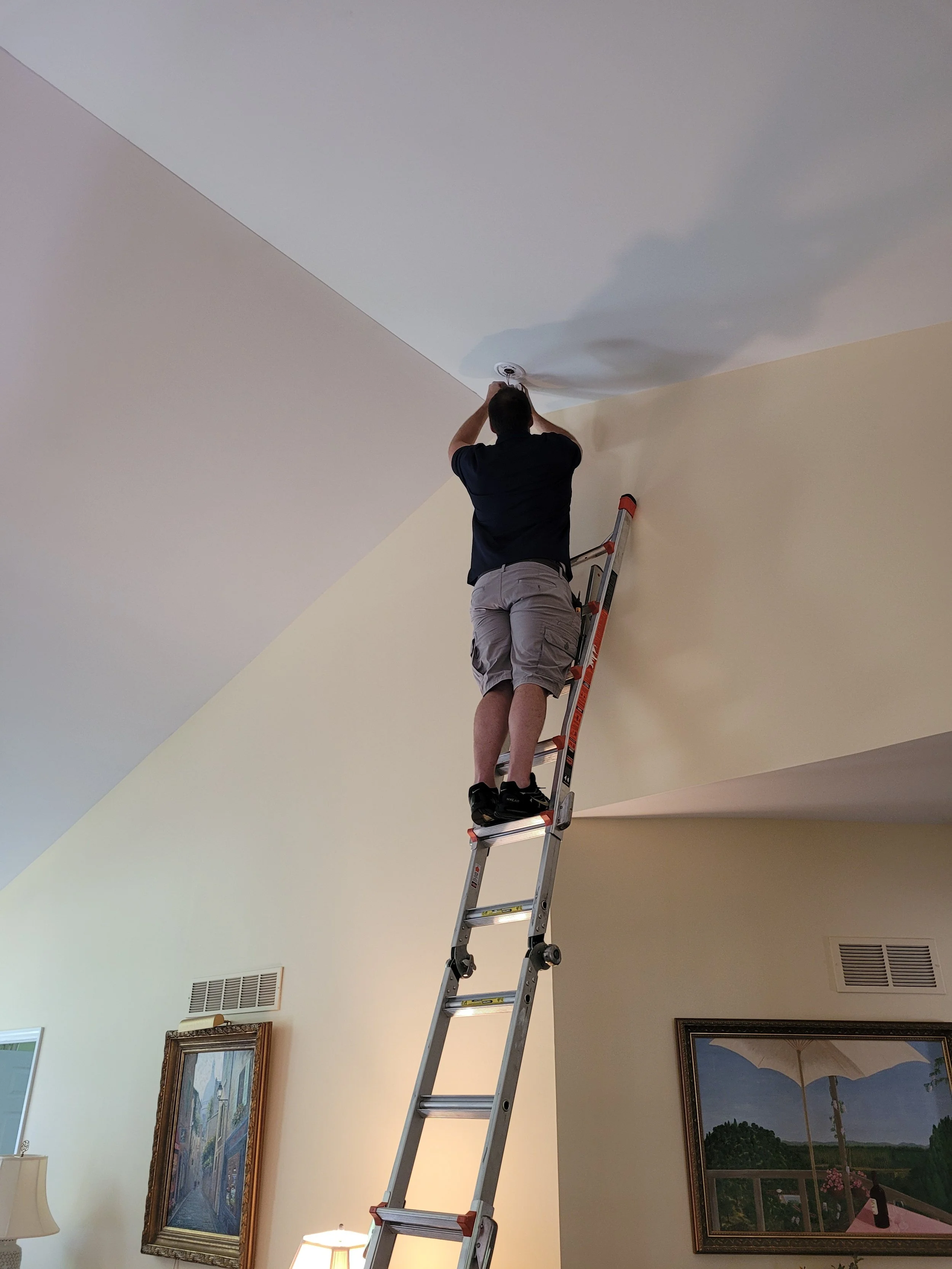
Our Recommendation
After inspecting thousands of homes throughout Missouri, our recommendations generally look like this:
Choose Hardwired Smoke Alarms If:
You're building a new home.
You're completing a major remodel.
Your home already has hardwired smoke alarm wiring.
You want permanent interconnected protection.
Choose 10-Year Sealed Battery Smoke Alarms If:
Your home is already finished.
Running new electrical wiring would be expensive.
You want lower maintenance.
You want dependable protection without annual battery replacement.
Choose Wireless Interconnected Smoke Alarms If:
You want the benefits of whole-home notification.
Your home isn't wired for interconnected alarms.
You want to avoid opening walls or ceilings.
You want an upgrade that combines convenience with improved fire safety.
Regardless of which type you choose, the most important factors are that smoke alarms are properly installed, tested monthly, maintained according to the manufacturer's instructions, and replaced when they reach the end of their service life.
Related Services from Smoke Detector Pro
If you're considering upgrading your home's smoke alarm system, you may also find these services helpful:
Smoke Alarm Installation
Smoke Detector Replacement
Carbon Monoxide Alarm Installation
Smoke Alarm Inspection
Smoke Alarm Testing
Fire Safety Services
Dryer Vent Cleaning
Residential Fire Extinguisher Installation
Frequently Asked Questions
1. Which is better: hardwired or battery smoke alarms?
Neither option is universally "better"—the right choice depends on your home's wiring, age, layout, and safety goals.
Hardwired smoke alarms provide continuous household power and are commonly interconnected.
Battery-powered smoke alarms, especially modern 10-year sealed battery models, are an excellent option for many existing homes where installing new wiring isn't practical.
Regardless of the power source, smoke alarms should be properly installed, tested monthly, and replaced according to the manufacturer's recommended service life.
Helpful Resources
U.S. Fire Administration – Smoke Alarms
https://www.usfa.fema.gov/prevention/home-fires/prepare-for-fire/smoke-alarms/
2. Are hardwired smoke alarms required by code?
Building code requirements vary depending on the age of the home, whether it is new construction, and the scope of any remodeling projects.
Many newer homes are required to have hardwired, interconnected smoke alarms. Existing homes may have different requirements depending on local regulations.
Always check with your local building department before beginning a remodeling project.
Helpful Resources
International Residential Code (IRC): https://codes.iccsafe.org/
Missouri Division of Fire Safety: https://dfs.dps.mo.gov/
3. Do hardwired smoke alarms still need batteries?
Yes.
Most hardwired smoke alarms include a backup battery so they continue operating during power outages.
Depending on the model, the backup battery may be replaceable or a sealed 10-year battery.
4. How often should smoke alarms be replaced?
Most manufacturers and fire safety organizations recommend replacing residential smoke alarms every 10 years from the manufacture date, regardless of whether they appear to be working.
The internal sensing components gradually become less reliable with age.
Helpful Resources
U.S. Fire Administration – Smoke Alarm Maintenance
https://www.usfa.fema.gov/prevention/home-fires/prepare-for-fire/smoke-alarms/
5. Can I mix hardwired and battery-powered smoke alarms?
Yes, but they typically won't communicate with each other unless they are part of a compatible interconnected system.
If your goal is whole-home notification, speak with a qualified installer about compatible wireless or interconnected options.
6. Are wireless interconnected smoke alarms reliable?
Yes.
Modern wireless interconnected smoke alarms are designed to provide dependable communication between alarms throughout the home.
They are an excellent upgrade for homes that don't already have hardwired interconnected wiring.
7. Which smoke alarm requires the least maintenance?
10-year sealed battery smoke alarms are among the lowest-maintenance options because homeowners don't have to replace batteries every year.
However, they should still be:
Tested monthly
Cleaned periodically
Replaced when they reach the end of their service life
8. Should I upgrade all of my smoke alarms at once?
If your smoke alarms were installed around the same time, replacing them together simplifies maintenance and ensures they all have the same remaining service life.
It also allows homeowners to upgrade to interconnected protection throughout the home.
9. Can I install smoke alarms myself?
Many homeowners can install battery-powered smoke alarms by following the manufacturer's instructions.
Professional installation is often recommended for:
Hardwired systems
Whole-home upgrades
Interconnected systems
Carbon monoxide alarm installations
Older homes needing improved coverage
10. How often should I test my smoke alarms?
The U.S. Fire Administration recommends testing smoke alarms every month.
Press and hold the test button until the alarm sounds.
Also:
Vacuum alarms periodically to remove dust.
Replace aging alarms.
Follow all manufacturer maintenance recommendations.
11. Should smoke alarms be interconnected?
Yes.
Interconnected smoke alarms provide one of the biggest improvements in residential fire safety.
When one alarm detects smoke, every connected alarm throughout the home activates, giving occupants additional warning—especially in larger or multi-story homes.
12. What does Smoke Detector Pro recommend?
Every home is unique, but we generally recommend:
Hardwired interconnected smoke alarms for new construction and major remodels.
Wireless interconnected smoke alarms for many existing homes.
10-year sealed battery smoke alarms when hardwiring isn't practical.
Smoke alarms inside every bedroom, outside sleeping areas, and on every level of the home.
Replacing all smoke alarms approximately every 10 years.
The best solution depends on your home's layout, wiring, and safety needs.
Additional Fire Safety Resources
For more information about smoke alarms and home fire safety, visit these trusted organizations:
U.S. Fire Administration – Smoke Alarms
https://www.usfa.fema.gov/prevention/home-fires/prepare-for-fire/smoke-alarms/National Fire Protection Association (NFPA) – Smoke Alarms
https://www.nfpa.org/education-and-research/home-fire-safety/smoke-alarmsMissouri Division of Fire Safety
https://dfs.dps.mo.gov/Consumer Product Safety Commission (CPSC)
https://www.cpsc.gov/Ready.gov Fire Safety
https://www.ready.gov/home-firesAmerican Red Cross – Home Fire Safety
https://www.redcross.org/get-help/how-to-prepare-for-emergencies/types-of-emergencies/fire.html
Related Articles
Continue learning with these helpful guides:
Why Is My Smoke Detector Chirping?
Smoke Alarm Placement Guide
Missouri Smoke Alarm Requirements
Carbon Monoxide Alarm Placement
Fire Extinguisher Buying Guide
Dryer Vent Cleaning Guide
Schedule a Professional Smoke Alarm Evaluation
Not sure which smoke alarm system is right for your home? Questions about your home’s safety?
The firefighter-owned team at Smoke Detector Pro helps homeowners throughout St. Charles County, St. Louis County, and surrounding Missouri communities choose, install, and maintain reliable smoke alarm systems that fit their homes and their safety goals.
Whether you're replacing one outdated alarm or upgrading your entire home to interconnected smoke and carbon monoxide protection, we're here to help.
Learn more about our:

Or contact us today to schedule a professional home fire safety evaluation.
About the Author
Smoke Detector Pro is a firefighter-owned and operated residential fire safety company proudly serving homeowners throughout St. Charles County, St. Louis County, and surrounding Missouri communities.
Our mission is to help families protect what matters most through professional smoke alarm installation, smoke detector replacement, carbon monoxide alarm services, dryer vent cleaning, fire extinguisher solutions, and comprehensive home fire safety education.
Every article we publish is based on current fire safety guidance, manufacturer recommendations, and real-world experience helping thousands of homeowners improve the safety of their homes.
If your smoke alarms are approaching 10 years of age—or you're not sure how old they are—it's a great time to have them inspected. At Smoke Detector Pro, our firefighter-owned team helps homeowners throughout St. Charles County, St. Louis County, and surrounding communities upgrade outdated smoke alarms, install code-compliant interconnected systems, and improve overall home fire safety.
